
Best Quiet Washing Machine 2026: Low-Noise Models for Apartments and Open Floor Plans
When you buy through the Amazon links on this page, we may earn a commission at no extra cost to you. Learn more
Last updated October 31, 2026
The Samsung WA47CG3500K1 washer and dryer is the best quiet washing machine 2026 for most apartments and open layouts: it is a top-load pair whose vibration reduction technology is listed to provide a quieter wash cycle, even at high spin speeds. Quiet is measured in decibels, and wash and spin are rated separately, so a machine that whispers through the wash can still roar at 1,200 rpm.
For a compact machine with both noise figures published, the Asko CW states 51 dBA wash and 71 dBA spin. The KoolMore FLW-5CWH brings a quiet inverter motor, and the Speed Queen TR7003BN lists ultra quiet operation with out-of-balance management.
The best quiet washing machines for 2026

Samsung WA47CG3500K1 washer and dryer
See on Amazon
KoolMore FLW-5CWH front load washer
See on Amazon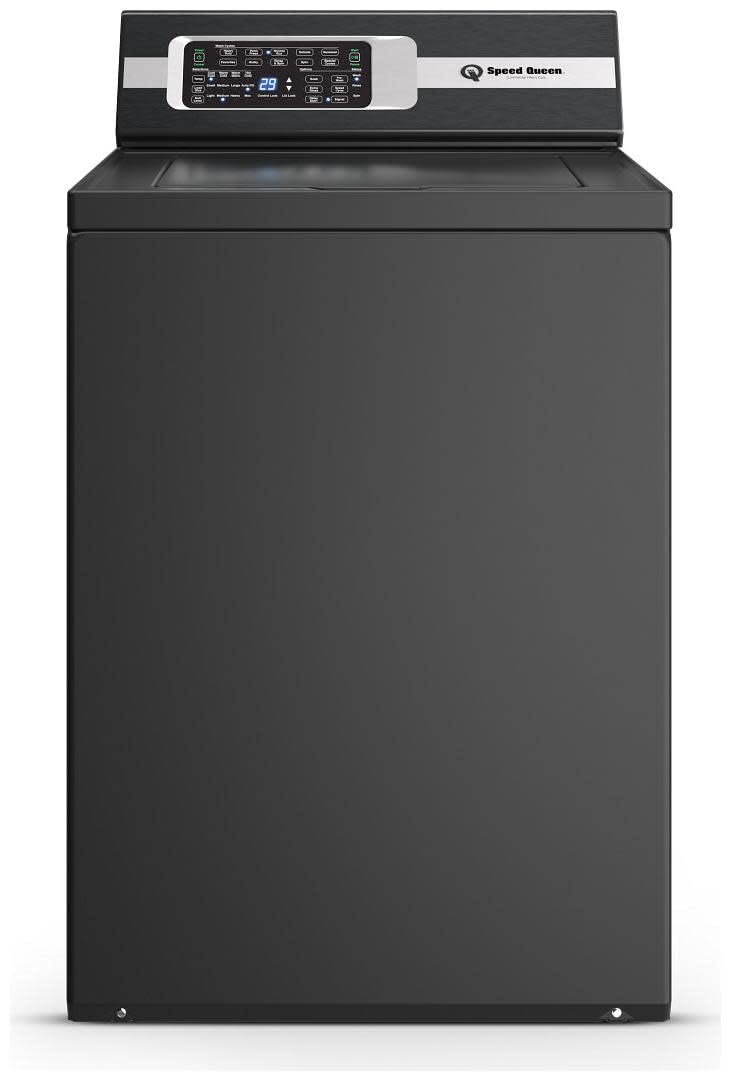
Speed Queen TR7003BN top load washer
See on AmazonModel comparison
| Model | Price | Rating | Capacity | Max spin speed | Drum material | Best for | |
|---|---|---|---|---|---|---|---|
| | Samsung WA47CG3500K1 washer and dryer | $1,598.00 as of 10/31 See on Amazon | ★ 4.6 (50+ ratings) | not stated | not stated | Stainless steel | Households replacing a washer and dryer together near living space want vibration reduction and top-load spinning that limits floor rumble. |
| | KoolMore FLW-5CWH front load washer | $1,487.27 as of 10/31 See on Amazon | ★ 3.6 (19 ratings) | 4.5 cu ft | 1200 rpm | not stated | Buyers wanting a full-size front loader with an inverter motor and a 20 minute quick wash need a laundry space 27 inches deep. |
| | Speed Queen TR7003BN top load washer | $2,510.00 as of 10/31 See on Amazon | ★ 5.0 (2 ratings) | 3.2 cu ft | 800 rpm | Stainless steel | Buyers wanting a rugged top loader with an agitator value ultra quiet operation and out-of-balance management over smart features. |
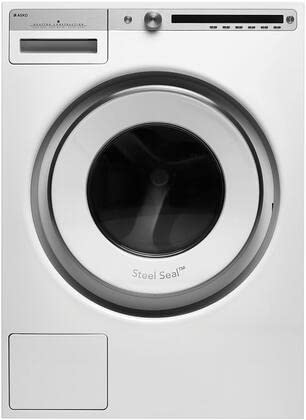 | Asko CW washer | $1,222.00 as of 10/31 See on Amazon | not stated | 2.1 cu ft | 1400 rpm | not stated | Apartment or small-space buyers wanting published noise figures need a 24 inch footprint that fits a closet or stack. |
What actually makes a washing machine quiet
Noise comes from three separate places, and a machine is only quiet when all three are handled. A low spin speed or a quiet badge on its own proves little, because it may silence the spin while the drain pump still whines or the cabinet still hums.
The motor and drive
The motor turns the drum, and the drive is how that motion reaches it. A brushless inverter motor or a direct-drive design has fewer moving contacts than a belt-and-brush setup, so it runs smoother and quieter. This is the first thing to check on a spec sheet.
The drum, suspension and cabinet
A spinning drum wants to shake, and the suspension and counterweights absorb that energy before it reaches the cabinet. A well-damped machine stays steady at high speed; a lightly built one resonates and turns the cabinet into a speaker. Insulation around the drum and a rigid cabinet cut the airborne noise that escapes into the room.
The pump and drain
The drain pump kicks in at the end of the wash and during the spin, and it is a steady, high-pitched sound that carries through walls. A quiet pump and sound insulation around it matter as much as a quiet motor, and they are the part buyers forget to check.
Run through the list in order: motor type, suspension and counterweight design, pump and insulation, then spin speed. A machine that scores well on all four is genuinely quiet. One that only offers a low spin speed is quiet for part of the cycle.
How decibel ratings for washers are measured and what the numbers hide
Wash noise and spin noise are rated separately, in decibels, and spin is almost always the louder phase. A single figure on a spec sheet usually describes the wash, so a machine rated at 51 dBA may still hit 71 dBA or more when it spins.
The decibel scale is logarithmic, which is why small-looking gaps matter. A 10 dB difference is heard as roughly twice as loud, and 3 dB is double the sound energy. A machine rated 72 dBA and one rated 75 dBA are not close in practice.
Ratings are taken at a stated distance, in a stated cycle, in a controlled setting. In a small apartment with hard floors and close walls, the sound reflects and builds, so real-world noise can differ from the label. A figure without a stated phase or weighting cannot be compared with another figure.
Most figures are A-weighted, written dBA, which matches how human hearing responds. An unweighted dB number is not comparable to a dBA number, and a wash-phase figure is not comparable to a spin-phase figure. When you compare two machines, check that both numbers describe the same phase and the same weighting.
Direct drive and inverter motors explained for noise
A traditional washer uses a motor with brushes and a belt that turns the drum. The brushes make a constant electrical hum, and the belt slaps and stretches as it spins, adding a mechanical rattle that grows with speed.
A brushless inverter motor removes the brushes, and a direct-drive design removes the belt entirely by mounting the motor at the drum. Fewer mechanical contacts mean less friction noise, and the inverter control ramps the speed up and down gently instead of jumping between settings. The result is a smoother, quieter cycle, especially during the spin.
To spot the motor type on a spec sheet, look for the words inverter, direct drive, brushless, or a named quiet-motor feature. A marketing name for a motor is not itself a noise rating, so treat it as one clue among several and look for a decibel figure alongside it.
Vibration control and why the floor and installation matter as much as the machine
Inside the machine, the drum sits on springs and dampers, and counterweights balance the load as it spins. Anti-vibration design keeps that movement from reaching the cabinet and the floor. But the best suspension in the world cannot fix a bad installation, and these fixes often cut noise more than upgrading the appliance.
Check the shipping bolts first
New washers ship with transit bolts that lock the drum for transport. If they are left in, the drum cannot float on its suspension and the machine pounds and walks across the floor. Remove them before the first wash, and keep them if you plan to move.
Level the feet and lock the nuts
A machine that rocks on an uneven floor will vibrate and thump. Adjust the leveling feet until the cabinet sits flat and does not wobble, then tighten the lock nuts so the feet stay put. This is the single most common cause of a washer that has become loud.
Look at the floor underneath
A solid concrete floor absorbs vibration. A flexing wood floor or a raised platform amplifies it, and an upper floor transmits it into the rooms below. If the floor gives underfoot, the machine will be louder no matter what you buy.
Balance the load
A single heavy item, like a bath mat or a pair of jeans, can bunch to one side and throw the drum off balance. Mix large and small items so the load spreads evenly, and the spin stays smooth.
Placement and soundproofing tricks for apartments and open floor plans
Where the machine sits decides how far the noise travels. Keep it off shared walls and, if you have a choice, off upper floors, since vibration passes down through the structure into the unit below. Leave clearance around the cabinet so air and sound can escape rather than bounce back into the room.
Anti-vibration pads or a plinth decouple the machine from the floor and soak up some of the shake. A closed laundry closet door blocks a surprising amount of airborne noise, and soft furnishings and rugs in an open-plan room reduce the echo that makes a spin cycle sound louder than it is.
Timing is the other lever. A delay timer lets you set the cycle to finish after quiet hours, so the noisy spin lands when it bothers no one. Set the timer by the cycle end, not the start, and mute the end-of-cycle chime so the machine does not beep when it finishes.
Reading noise specs and reviews before you buy
On a spec sheet, look for separate wash and spin decibel figures, the spin speed in rpm, the motor type and the capacity. A machine that publishes both noise figures is telling you more than one that publishes a single number or none at all. Check the voltage too, since some compact machines need a 240V outlet that a laundry closet may not have.
Spin speed is a trade-off. A higher rpm extracts more water and shortens drying time, but it is louder. A machine that lets you choose a lower spin speed gives you a quiet option on demand, which is worth more than a fixed high-speed spin.
When you read owner reviews, look past the overall star rating and search for words like vibration, shake, rattle and spin noise. A machine that washes well but walks across the floor is a problem, and a very quiet machine that does not clean well is no bargain. Weigh noise against cleaning performance before you decide.
Our picks by budget
The Asko CW is the budget pick because it publishes both wash and spin noise figures, in a compact 24 inch body with a stainless drum and ENERGY STAR qualification.
The Samsung WA47CG3500K1 is the mid-range pick because it pairs a full-size top-load washer with a matching dryer, adds vibration reduction and Wi-Fi control, and covers a whole laundry setup in one purchase.
The Speed Queen TR7003BN is the premium pick because its heavy-duty build, ultra quiet operation, out-of-balance management and agitator wash system put durability and wash performance first.
Budget
Mid-range
High-end
Which quiet washing machine for which buyer
The apartment or small-space buyer
A 24 inch footprint fits a closet or a stack, and the published 51 dBA wash and 71 dBA spin figures let you judge the noise before you buy. ENERGY STAR qualified.
The household replacing both machines
A full-size top-load washer and matching electric dryer in one purchase, with vibration reduction and app control on both, for a home where the laundry is near living space.
The buyer who wants a rugged top loader
An agitator, out-of-balance management and ultra quiet operation, with knob controls and an automatic detergent dispenser, for someone who values build over smart features.
The full-size front-load buyer
A 4.5 cubic foot front loader with a quiet inverter motor, steam and a 20 minute quick wash, for a laundry space deep enough for a 27 inch cabinet.
Our verdict on the best quiet washing machines
The right quiet machine depends on your space and priorities. The Samsung WA47CG3500K1 washer and dryer is the overall pick for most apartments and open layouts, with vibration reduction technology built for a quieter wash cycle, even at high spin speeds. The Asko CW suits a small space and publishes both noise figures, the KoolMore FLW-5CWH brings a quiet inverter motor to a full-size front loader, and the Speed Queen TR7003BN is the heavy-duty top loader with ultra quiet operation.
Whatever you choose, check the wash and spin decibels separately, confirm the motor type, and set the machine up properly. The floor, the leveling and the load balance matter as much as the machine itself.
Detailed model analysis
Samsung WA47CG3500K1 washer and dryer
The Samsung WA47CG3500K1 washer and dryer suits households replacing both machines together near living space who want a quieter wash from a top loader.
Vibration reduction technology is meant to keep the wash cycle quiet even at high spin speeds. That matters when the laundry sits close to a bedroom or living area.
The washer holds 4.7 cu ft. The dryer adds 7.4 cu ft of electric drying space, with Sensor Dry that stops the cycle when clothes reach the right dryness.
Both connect over Wi-Fi through SmartThings, so you can control the washer and get dryer alerts from your phone. A WaterJet faucet in the tub pretreats stains without a sink. The dryer door is reversible.
The bundle includes hot and cold washer hoses for the dual 3/4 in inlets, 3-prong and 4-prong dryer cords, an 8-ft flexible aluminum vent duct, and a 1-year protection plan covering parts and labor.
The limits are practical. The dispenser is a single compartment for detergent only. The dryer needs a 240V outlet, and its vent connection is 4 in.
- Brand: Samsung
- Washer capacity: 4.7 cu ft
- Dryer capacity: 7.4 cu ft
- Washer loading: Top load
- Drum material: Stainless steel
- Color: Black
KoolMore FLW-5CWH front load washer
The KoolMore FLW-5CWH is a full-size front loader with a quiet inverter motor and a 4.5 cu ft stainless steel drum that spins up to 1200 rpm.
It offers 12 wash cycles, including Baby Wear and Delicates. A 20-minute quick wash handles small loads fast, and a favorite cycle memory saves the routine you use most.
Steam and Water Plus functions add options for tougher loads. It is rated High Efficiency, with push button controls, a single compartment dispenser and 120 V operation. It is the washer alone, with no dryer.
Weight is the main thing to plan for. At 216.1 lb, plan on extra hands when you move it in.
Its 1200 rpm top spin sits below the Asko CW washer's 1400 rpm maximum. Its 12 cycles are fewer than the Speed Queen TR7003BN's 16 and the Asko CW's 15.
It suits buyers who want a roomy front loader with an inverter motor and a fast 20-minute cycle.
- Brand: Koolmore
- Capacity: 4.5 cu ft
- Max spin speed: 1200 rpm
- Wash cycles: 12
- Voltage: 120 V
- Weight: 216.1 lb
Speed Queen TR7003BN top load washer
This Speed Queen is a rugged agitator top loader built around ultra quiet operation. Out-of-balance management deals with loads that shift during the spin, which helps keep noise down.
Its 3.2 cu ft stainless steel drum is smaller than the Samsung WA47CG3500K1's 4.7 cu ft and the KoolMore FLW-5CWH's 4.5 cu ft.
Spin tops out at 800 rpm, the lowest stated among the washers we rank. Alongside capacity, that is the trade-off to weigh.
You get 16 wash cycles, more than the Asko CW's 15 and the KoolMore FLW-5CWH's 12, plus Speed Queen Perfect Wash. An automatic detergent dispenser is built in, and controls are a knob with buttons and a dial.
It is a freestanding, fully automatic washer rated for residential use. It suits buyers who want a rugged top loader with an agitator and value quiet operation.
- Brand: Speed Queen
- Capacity: 3.2 cu ft
- Load type: Top load
- Max spin speed: 800 rpm
- Wash cycles: 16
- Drum material: Stainless steel
Asko CW washer
The Asko CW is a compact front loader, 24 in wide, which suits tight apartment spaces. It publishes its noise levels: 51 dBA during the wash and 71 dBA during the spin.
The spin is the louder phase, so weigh the 71 dBA figure if you sleep near the machine. Spin reaches a maximum of 1400 rpm, the highest stated among the washers we rank.
Activedrum technology uses hourglass-shaped lifters to move laundry toward the center, for better balance in the drum at higher spin speeds. Steel Seal replaces the rubber door seal, so no rubber gasket traps dirt.
It runs 15 wash cycles. Quick Wash handles a small, lightly soiled load in a short time, and Quick Pro takes just under an hour.
Dark Wash adds extra rinses with low mechanical action and low spin speeds. Quattro construction and a stainless steel drum round out the build, and it is Energy Star qualified.
The trade-off is space inside. At 2.1 cu ft it has the smallest capacity among the washers we rank, and the dispenser is a single compartment. It suits apartment or small-space buyers who want published noise figures.
- Brand: Asko
- Capacity: 2.1 cu ft
- Loading type: Front load
- Max spin speed: 1400 rpm
- Dimensions: 23 in deep, 24 in wide and 33.5 in high
- Washing cycles: 15
Frequently asked questions
How many decibels is a quiet washing machine?
A quiet wash phase sits in the low 50s dBA, and a quiet spin phase stays in the low 70s dBA. A single number is not enough, because it usually describes the wash only, and the spin is the phase that carries through walls.
Are front-load or top-load washers quieter?
There is no universal winner. The motor, suspension and installation decide more than the format, so compare the motor type, the vibration control and the published decibel figures rather than where the door sits.
Can I run a washing machine at night without waking anyone?
Yes, if you set the delay timer by the cycle end so the spin finishes after quiet hours and choose a lower spin speed. A machine on a solid, level floor with anti-vibration pads makes the least noise.
How do I make my washing machine quieter?
Level the feet and tighten the lock nuts, remove the transit bolts, spread the load evenly, and set a lower spin speed. A solid floor helps more than any accessory.
Do quiet washing machines cost more?
A quieter motor, extra insulation and a compact build add to the cost, so quiet machines tend to sit higher in the range. The entry point is a compact machine with published noise figures, and the top of the range brings heavy-duty build and wash performance.
Is a direct-drive motor quieter than a belt-driven one?
Yes. A direct-drive motor removes the belt and its slap, and a brushless inverter motor removes the brush hum, so both run smoother than a traditional belt-and-brush setup. Look for inverter, direct drive or brushless on the spec sheet.
Do quiet, silent or night wash cycles actually work?
They usually lower the spin speed, which you can often set yourself. They help, but they are not magic, and the machine still has to drain and spin, so expect some noise.
What spin speed should I choose for quieter laundry?
A lower spin speed is quieter but leaves clothes wetter, which means a longer dryer run. A higher speed extracts more water and shortens drying but is louder, so pick the speed that balances the two for your load.